Maple & Slow Living
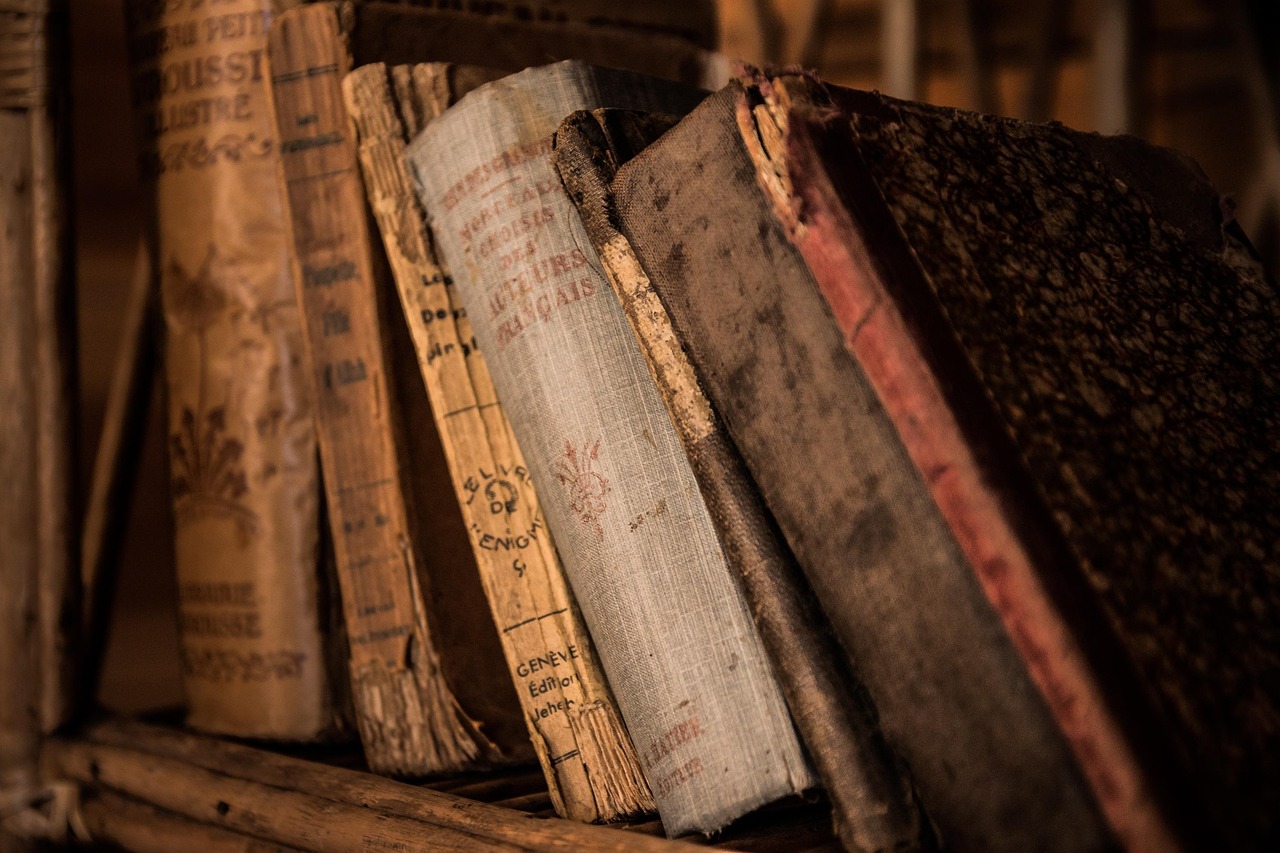
There is a particular kind of book that earns its place on a homestead shelf. It is not the kind you read once and set aside. It is the kind that gets splattered with bacon grease, dog-eared at the index, and held open with a jar of nails while you try to figure out why the pressure canner is not sealing.
When I first started keeping a garden and a few chickens, I bought books the way I bought seeds — hopefully, and with a vague sense that more was better. Most of them sat on the shelf untouched. The ones that survived were the ones that answered a question I actually had, at the moment I had it.
Over the years, the library has shrunk. What is left is small, worn, and deeply useful. If you are building one, here is what I have learned.
First, you need a good general reference. Something like The Encyclopedia of Country Living or an old copy of The Foxfire Books will cover more ground than a dozen trendy titles. These books assume you know nothing and are not embarrassed about it. They tell you how to butcher a chicken, build a root cellar, and treat a bee sting, all in the same chapter.
Second, you need a regional guide. Homesteading in Maine is not the same as homesteading in Arizona. A book written for your climate, your soil, and your pests will save you years of trial and error. Ask at your local extension office. They often have recommendations, and sometimes they have free pamphlets that are better than anything you can buy.
Third, you need one book on preserving. Not five. Just one that you trust. Mine is an old Ball Blue Book, held together with tape. It has never failed me.
Fourth — and this is the one people forget — you need a book that has nothing to do with chores. A novel, a book of essays, a collection of poetry. Something to read on the porch when the work is done and the light is going gold. A homestead without a little beauty in it is just a job.
Once a year, usually in late winter when the garden is asleep and the woodpile is low, I pull every book off the shelf and ask one question: did I use this in the last twelve months? If the answer is no, it goes in a box. Some go to the library sale. Some go to a neighbor. Some go back on the shelf, because I know I will need them next year.
The point is not to have a beautiful library. The point is to have a library that works. A shelf of ten books you actually reach for is worth more than a wall of fifty you never open.
There is a quiet satisfaction in that. The same satisfaction you get from a well-kept tool shed or a pantry full of jars. Everything in its place, everything with a purpose. That is the whole idea.
