Hand-Written Letters
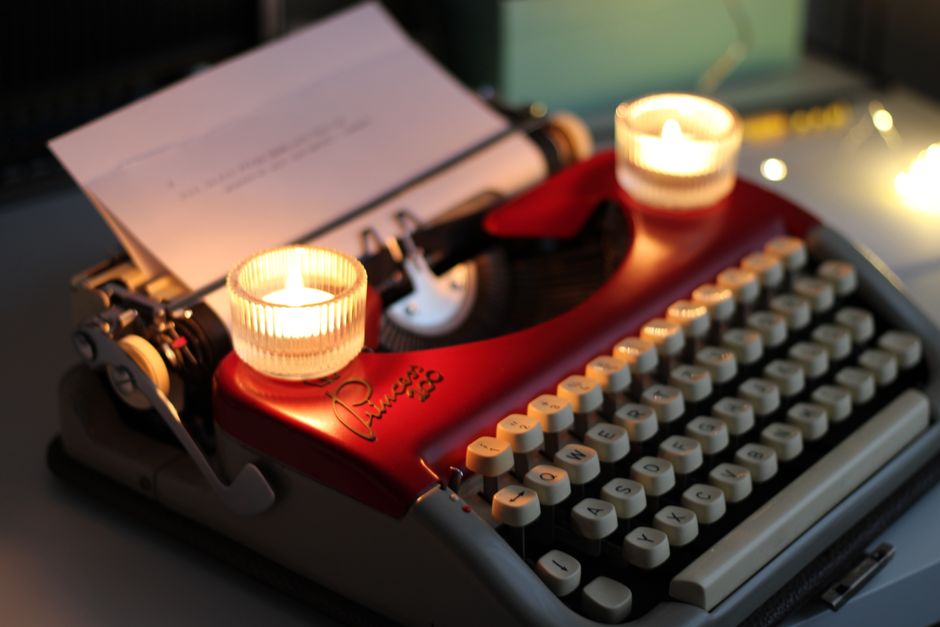
There is a particular hour in late autumn when the light turns the color of tea and the house seems to settle into itself. The woodstove ticks as it cools. The dog circles twice and lies down. And if you are lucky enough to have a lamp with a warm bulb or, better still, a candle in a brass holder, you have everything you need to write a letter the old way.
Writing by lamplight is not about nostalgia for its own sake. It is about narrowing the world down to a pool of light the size of a dinner plate. When the room beyond that pool goes soft and dark, your attention stops scattering. There is no screen glowing at you, no notification sliding in from the corner. There is paper, ink, and the person you are writing to, who exists for the next twenty minutes only in your mind and in the slow movement of your pen.
You do not need a secretary desk or a antique writing slope, though both are lovely if you have them. A kitchen table works. What matters is that the supplies are already out and reachable, because friction is the enemy of correspondence. Keep a small basket or tin with your stationery, a working pen, a roll of stamps, and a return-address label or two. If the pen is dry or the stamps are hiding in a drawer upstairs, the letter will not get written tonight.
Choose paper that feels good under your hand. A slightly toothy cream or ivory sheet takes fountain pen ink beautifully and does not glare under a low light. If fountain pens feel fussy, a good rollerball or even a fine felt-tip is fine. The recipient will never know what the nib cost. They will know that you sat down and thought of them.
Lamplight also changes how you write. Under a bright overhead light, the blank page feels like a test. Under a lamp, it feels like a conversation. You write a little slower, and the slowness is the point. You notice your own handwriting in a way you do not when you are typing. You cross out a word and the crossing out is visible, human, honest.
The most common reason people stop writing letters is the belief that they need news. They wait for something to report, and since most weeks are made of small ordinary things, they wait forever. But letters are not newspapers. A letter can be about the frost on the kitchen window, the way the maple out front has started to turn, the loaf of bread that came out lopsided but tasted fine. Your friend does not want your headlines. They want your voice.
Start with the weather, which is never boring to someone who lives somewhere else. Mention one thing you did with your hands. Ask one real question, not a polite one. Then sign off before you run out of steam. A short letter that arrives is worth more than a long letter that never gets finished.
Keep a small box of letters you have received. On the evenings when the house is quiet and the lamp is lit, read one. Then answer it. The circle closes, and the slow hour has done its work.
