Slow Living
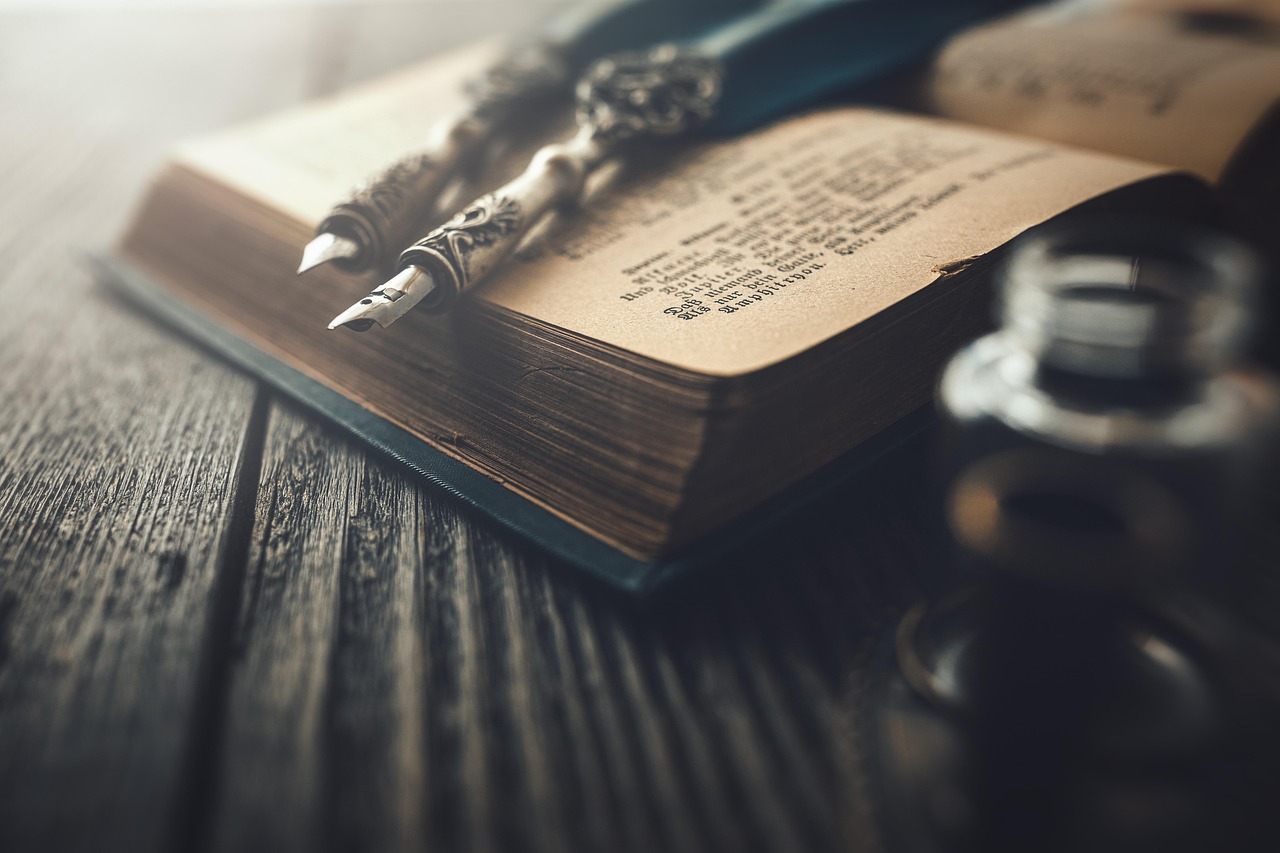
There is a particular sound a fountain pen makes when it crosses good paper — a soft, dry whisper, like leaves shifting in a light wind. It is not a sound you hear often anymore. Most of what we write now disappears the moment we tap send, swallowed into some server we will never see. A letter is different. A letter stays.
I started writing letters again a few winters ago, mostly because I missed the feeling of being unreachable. There is something almost luxurious about sitting down with a cup of coffee, a sheet of cream-colored paper, and no expectation that anyone will answer within the hour. The letter will take days to arrive. The reply will take days more. That gap is not a flaw in the system. It is the whole point.
People often say they don't write letters because they don't know what to say. But that is not really the problem. The problem is that we have forgotten how to write without editing ourselves into a corner. A letter is not a performance. It is a conversation stretched out over time, and it is allowed to meander.
Writing a letter by hand asks three things: your attention, your patience, and a willingness to be a little boring. That last one matters more than you might think. The best letters I have received were not profound. They were specific. My friend Ruth once wrote me two full pages about the state of her kitchen garden, the way her dog refuses to walk on wet grass, and a recipe for molasses cookies that she had clearly made up on the spot. I have kept that letter for years.
When you write by hand, you cannot delete a sentence and pretend it never happened. You can cross it out, but the crossing out stays. That visible hesitation is part of the charm. It reminds the reader that a real person sat down and thought about them.
The mistake most of us make is treating letter writing like a project. We buy fancy stationery, plan a long catch-up, and then never send anything because the pressure is too great. Instead, try this: keep a small stack of paper and a pen somewhere you already sit — next to the kettle, on the porch, beside your reading chair. When you think of someone, write them three sentences. Not a full letter. Three sentences. Sign it. Mail it. That is enough.
Over a season, those three-sentence notes add up. They become a thread. The person on the other end starts to expect them, and one day they write back. Slowly, without either of you deciding it, you have rebuilt something that used to be ordinary and is now almost rare.
I do not think letter writing will save the world. But I do think it saves something in the person who does it — a small, stubborn piece of attention that the rest of the day keeps trying to take away. Sit down. Write three sentences. The maple out front has been dropping leaves all week, and somebody you love would probably like to know.
