Hand-Written Letters
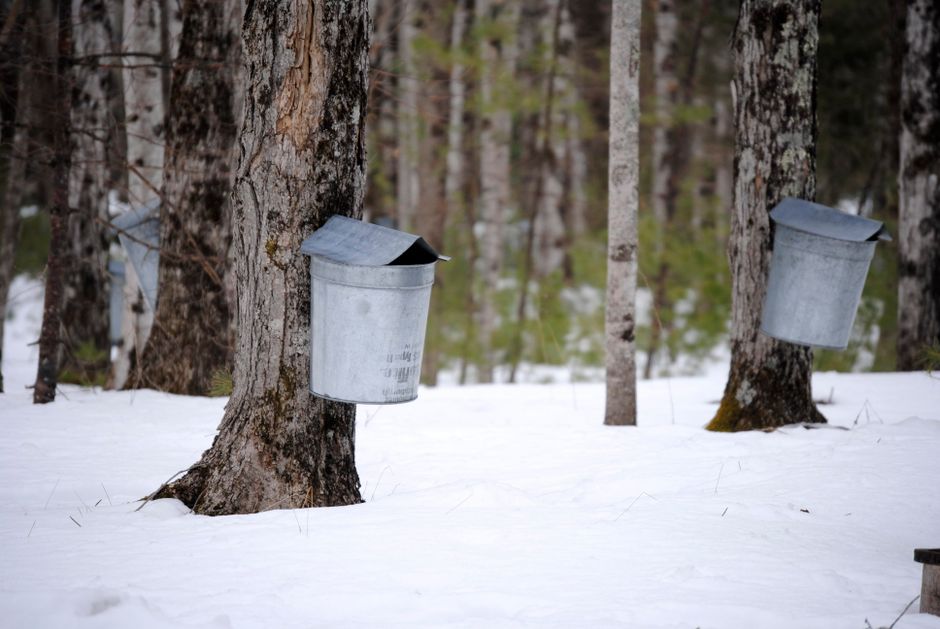
The first time you tap a maple, you will feel like you are getting away with something. The tree stands there, enormous and indifferent, and you drill a small hole in its side and hang a bucket, and by afternoon there is clear liquid dripping into it at a rate that seems almost rude. Nobody told the tree to do this. It simply does, every year, when the nights are cold and the days are warm.
You do not need a sugar shack, a evaporator, or a hundred acres. You need one healthy maple at least ten inches across, a drill with a 7/16 or 5/16 bit, a spile or two, a food-grade bucket or jug, and a way to boil water outside. That is the whole list. The rest is patience and firewood.
The season runs when the sap is moving, which means nights below freezing and days above it. In most of maple country that is late winter into early spring, often sometime between late February and the end of March, depending on where you live. Watch the forecast, not the calendar. When you see a stretch of cold nights and mild days, go out with your drill.
Choose a spot on the sunny side of the trunk, about two to four feet off the ground, and drill at a very slight upward angle so the sap runs out and down. Drill only as deep as the spile is long, usually about two inches. Tap the spile in gently with a hammer. Too hard and you split the wood; too soft and it leaks. Hang your bucket on the hook, cover it if you have a lid, and walk away.
Check the bucket once or twice a day. On a good run, a single tree can give a gallon or more in a day, though it varies wildly. Strain the sap through a clean cloth or filter into a food-grade container and keep it cold, ideally below forty degrees, until you have enough to boil. Sap is perishable. Do not let it sit on the counter for two days and then wonder why it smells like cider gone wrong.
The ratio is roughly forty to one, meaning forty gallons of sap make about one gallon of syrup. That sounds discouraging until you realize you do not need a gallon. A quart of homemade syrup is a year of Sunday pancakes. Boil outside if you can. The steam is sticky, and indoors it will coat your walls with a fine film you will not enjoy cleaning.
Use a wide, shallow pan over a steady fire or a propane burner. Keep adding sap as it evaporates. When it starts to thicken and foam, watch it closely, because it goes from syrup to candy fast. You can finish it on the kitchen stove in a smaller pot, where you have more control. Syrup is done at about seven degrees above the boiling point of water, or when it coats a spoon and drips in a sheet rather than a stream.
Filter it hot through a clean cloth into sterilized jars, seal, and store in the fridge or freezer. Then go stand by your tree for a minute. It did most of the work.
