Maple & Slow Living
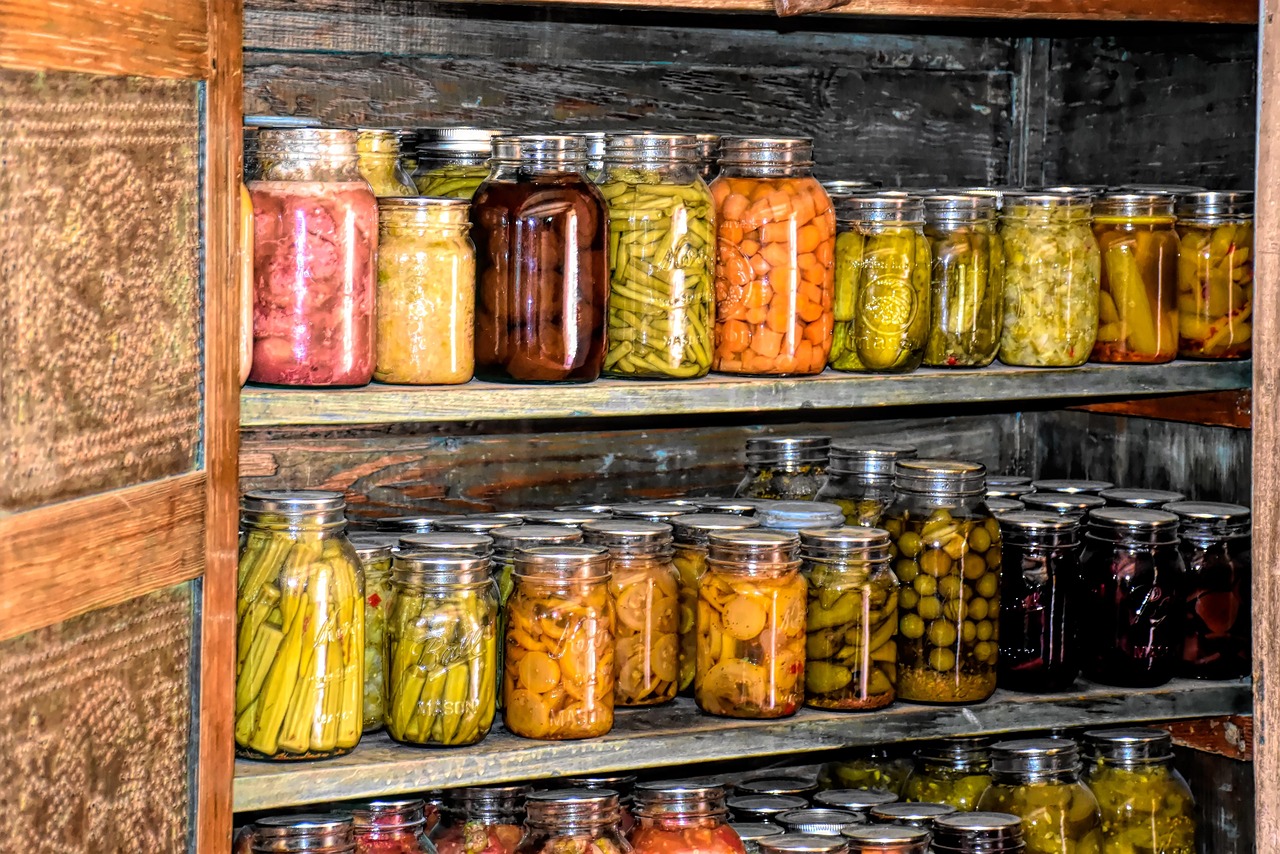
By late August, the garden is out of control and the kitchen counter is covered with things that need to be dealt with today. This is the part of homesteading that nobody photographs for the internet. It is hot, sticky, and repetitive, and if you do it wrong you will find mold in January. But it is also the most satisfying work of the year, because it turns a fleeting season into a shelf of jars that will feed you when the maple is bare.
You do not need a cellar dug into a hillside or a commercial canning setup. You need a few basic tools, a little knowledge, and the willingness to let the harvest set your schedule for a few weeks instead of the other way around.
The biggest mistake new preservers make is putting up food they do not like. Do not can twelve jars of beet pickles if nobody in the house eats beets. Do not dry five pounds of herbs you will never cook with. Start with the things that disappear from your pantry fastest: tomatoes, applesauce, jam, salsa, pickles, green beans, broth. Put up more of those and less of everything else.
Water-bath canning is enough for high-acid foods like fruit, tomatoes with added lemon juice, jams, and pickles. Pressure canning is required for low-acid foods like beans, corn, and meat. Follow tested recipes from a reliable source, and do not improvise on processing times. This is the one place in homesteading where following the rules exactly is non-negotiable.
For root crops, you do not need to can at all. Potatoes, carrots, beets, turnips, winter squash, and onions will keep for months in a cool, dark, humid place. A corner of an unheated basement works. So does a closet on an outside wall, or a buried garbage can with a lid. The keys are consistent cold, darkness, and airflow. Check on them once a month and pull out anything that is starting to go soft.
There is a particular feeling that comes in November, when the garden is done and the jars are lined up in neat rows. You walk into the pantry and see the whole summer, condensed. The tomatoes you picked in a heat wave. The apples from the tree down the road. The jam you made on a Sunday afternoon with the radio on. None of it is impressive to anyone who has not done it. All of it is yours.
Preserving is not about self-sufficiency in the absolute sense. You will still go to the store. But every jar on the shelf is one less thing you have to buy, and one more thing you know the story of. That is worth the sticky counters and the late nights.
Start small this year. Pick one thing, do it well, and put up more next year. The maple does not try to grow all its leaves in a day. It does a little at a time, and by midsummer the whole yard is shaded. Your pantry can work the same way.
