Homesteading
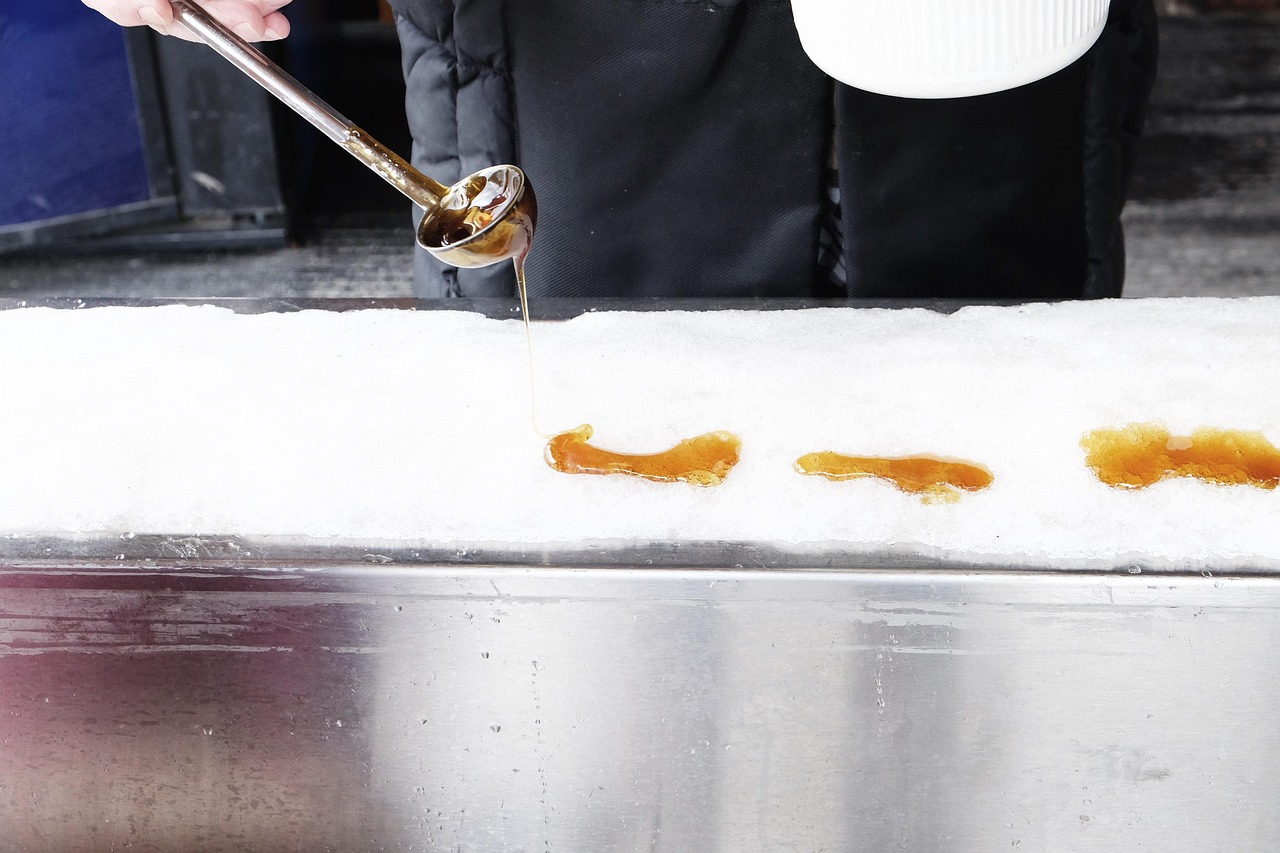
Every spring, when the sap starts running and the sugar shack fills with steam, I am reminded that maple syrup is not really a breakfast food. It is a pantry staple that got typecast. Somewhere along the way, we decided it belonged only on pancakes and waffles, and we have been missing out ever since.
Real maple syrup — the dark, robust kind, not the pale imitation — has a flavor that shifts depending on when it was boiled. Early-season syrup is light and floral, almost delicate. Late-season syrup is darker, deeper, with notes of caramel and sometimes a faint smokiness. Once you start cooking with it, you begin to notice those differences the way you notice them in coffee or wine.
The trick is to treat it like what it is: a sweetener with a personality. It does not want to hide. It wants to sit next to something salty or bitter or sour and make that thing better.
My favorite use is in a pot of slow-cooked white beans. A generous pour of dark maple goes in at the start, along with a smoked ham hock, a bay leaf, and a whole onion studded with cloves. By the time the beans are tender, the maple has melted into the broth and you cannot quite tell where the sweetness is coming from. It just tastes round and old-fashioned, like something your grandmother might have made if she had grown up in Vermont.
Maple also shines in vinaigrette. Whisk a spoonful into olive oil, apple cider vinegar, a little Dijon, and salt. Pour it over roasted squash or bitter greens. The sweetness softens the vinegar without turning the salad into dessert.
And then there is coffee. A teaspoon of maple syrup in a dark roast, stirred until it disappears, is one of the small pleasures of a cold morning. It does not taste like maple. It tastes like the coffee got warmer and kinder somehow.
Maple syrup keeps well, but it does not keep forever. Once opened, it should live in the refrigerator. If it sits too long, it can grow a thin film of mold on top — not dangerous, but not pleasant. Skim it off and bring the syrup to a gentle boil if you want to save it. Better yet, use it. A jar of maple that lasts three years is a jar that was never really appreciated.
I keep a small pitcher of it on the counter during sugaring season, next to the salt and the pepper. It has become a habit, the way some people keep honey or hot sauce within reach. It is a reminder that sweetness does not have to be a treat. It can be an ingredient, a background note, a way of making the ordinary taste like it was worth the wait.
The sugar shack is quiet now, the fire banked, the last jars sealed. But the kitchen is still warm. There is still a pot of something on the stove, and there is still a little maple left in the pitcher. That is enough.
