Homesteading
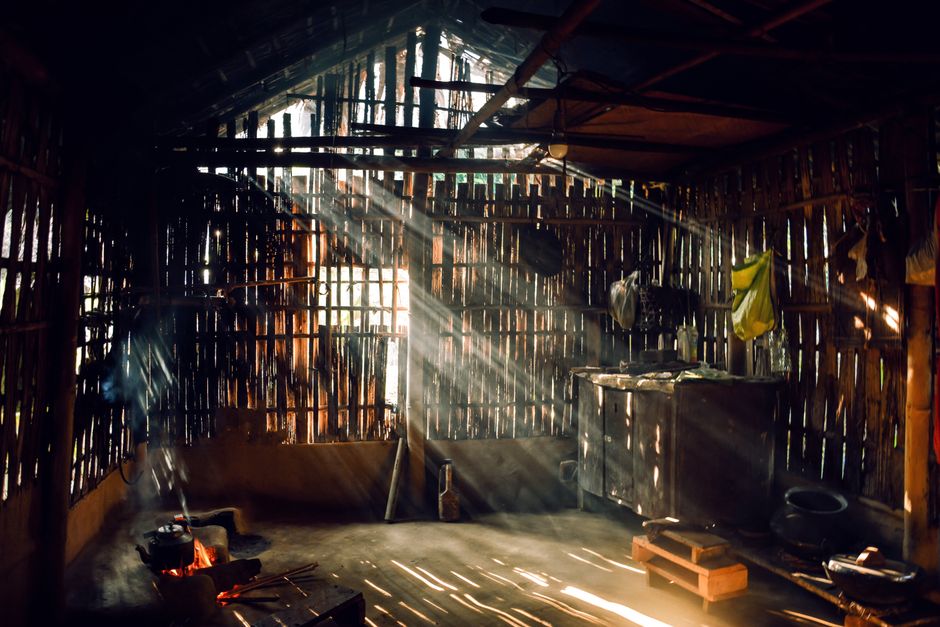
There is a kind of cooking that happens when you stop planning and start paying attention. It is not a cuisine. It is not a diet. It is a way of letting the season, the garden, and the pantry decide what is for dinner, and then giving that dinner the time it needs to become something good.
I fell into this way of cooking by accident. One August, the tomatoes came in faster than I could eat them, and I found myself making the same sauce three nights in a row — not because I had planned to, but because there were tomatoes on the counter and they were not going to wait. By the third night, the sauce had gotten better. The tomatoes were riper, the garlic had mellowed, and I had stopped measuring anything.
That is the slow kitchen. It is not about being fancy. It is about being present.
In spring, this means greens. Not the plastic-wrapped kind from the store, but the ones that come up in the yard before anything else — dandelion, chickweed, the first tender leaves of spinach. They go into a pan with a little bacon fat and a splash of vinegar, and they are on the table in ten minutes. That is the whole meal, and it is enough.
In summer, it means tomatoes and zucchini and basil, eaten raw or barely cooked, because the heat is too much to stand over a stove. In fall, it means squash and apples and the last of the beans, roasted in a hot oven until the edges caramelize. In winter, it means dried beans, root vegetables, and the jars we put up in August. The kitchen gets slower, and the food gets heavier, and that is exactly right.
The point is not to be rigid about it. The point is to let the season be your guide, so you are not fighting against what the world is giving you. A slow kitchen does not try to have strawberries in December. It waits.
The other half of a slow kitchen is time. Not hours of hands-on work — that is not slow, that is just labor. Time means letting things sit. Letting a pot of beans simmer on the back of the stove all afternoon. Letting bread rise on the counter while you do something else. Letting a braise go for three hours instead of one, because the meat gets better and the house smells like something worth waiting for.
This is hard for people who are used to cooking as a task to be completed. But it is worth learning. When you give a dish time, you are not doing more work. You are doing less, and letting the heat and the ingredients do the work for you. A slow-cooked pot of beans does not need your attention. It needs your absence.
The reward is a kitchen that feels less like a chore and more like a place where things happen on their own. You put something on the stove, you walk away, you come back, and it is better than it was. That is a small miracle, and it happens every day, if you let it.
