Hand-Written Letters
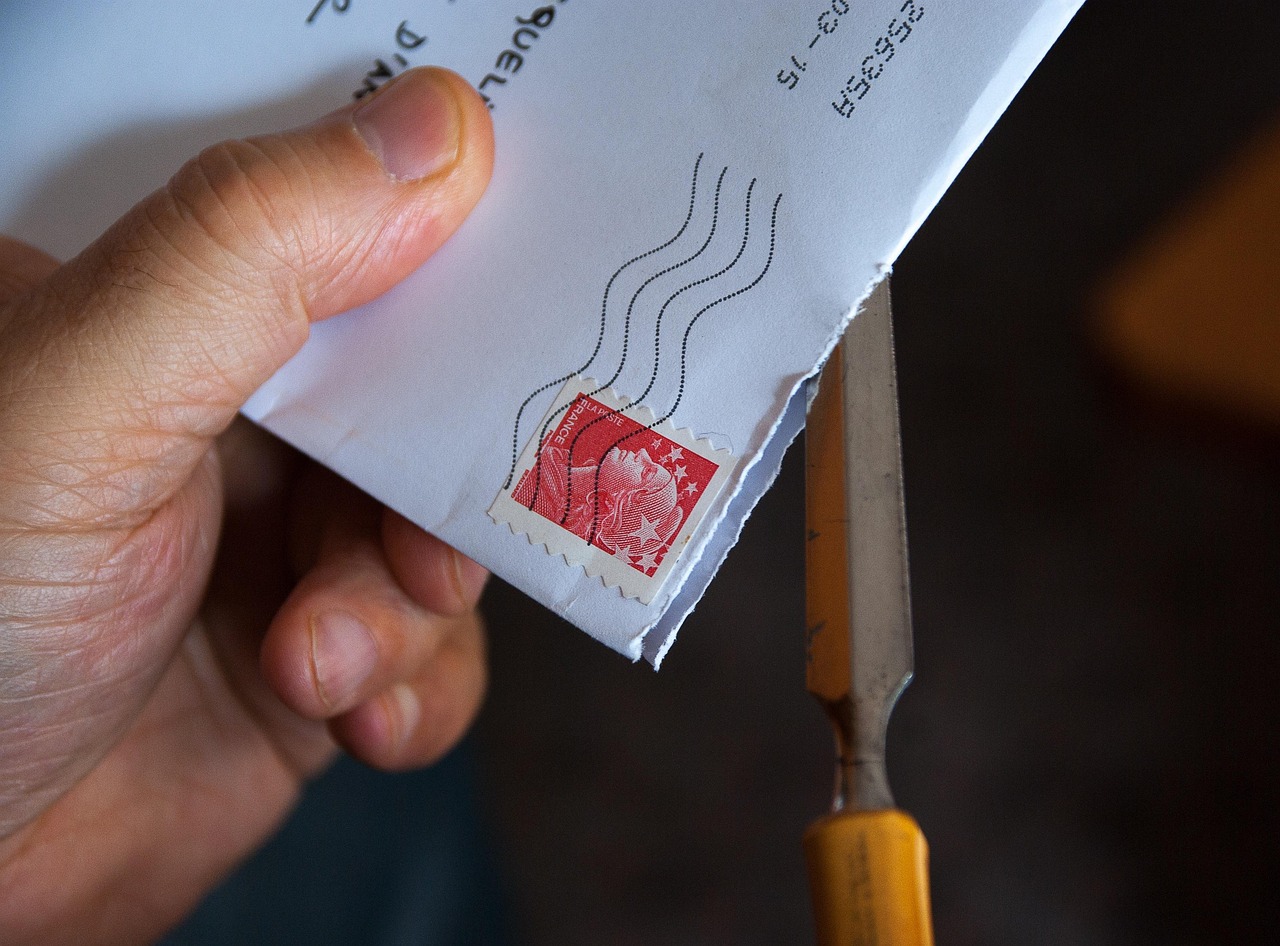
My closest friend lives two time zones away. We have never lived in the same city as adults, and we probably never will. For a few years we tried to keep up by text, and we were bad at it. The messages piled up unanswered, and each silence made the next message harder to send. Then she wrote me a letter, a real one, on pale blue paper, and everything changed.
There is something about a letter that removes the pressure of immediate reply. You cannot answer it in three seconds, so you do not feel guilty for taking three days. You cannot see the little typing bubble, so you do not wonder why it stopped. You just have a piece of paper in your hand, in your friend's handwriting, and all the time in the world to write back.
The trick to long-distance letter writing is to lower the bar until it is almost on the floor. Do not wait until you have something important to say. Do not wait until you have time to write four pages. A postcard counts. A single paragraph counts. A note that says "I saw a maple turning red today and thought of you" counts, and it will mean more than you expect.
Set up a small station where the supplies live. Keep stamps in the same place every time. Address the envelope before you write the letter, so that the moment you finish, you can fold, seal, and put it by the door. The letter that sits on the desk for a week waiting for a stamp is the letter that never gets mailed.
Write in the same season every year if a regular rhythm helps you. Many people find that a birthday letter, a holiday letter, and one or two others scattered through the year is enough. Others write monthly. The frequency matters less than the fact that the other person knows the letters will keep coming.
The letters people save are not the ones with the most news. They are the ones with the most voice. A letter that describes your kitchen on a Tuesday morning, the way the light comes in, the smell of bread, the sound of the neighbor's dog, does more for a friendship than a summary of your accomplishments. Your friend does not want a report. They want to be in the room with you for a few minutes.
Ask questions that cannot be answered with yes or no. What are you reading? What is the weather doing where you are? What is the small thing that has been making you happy this week? Then answer your own questions in the next letter. The exchange builds its own momentum.
Keep the letters you receive. Put them in a box, not a folder, so you can pull one out on a bad day and read it without having to sort through anything. Years from now, the box will be worth more than almost anything else in the house. The maple out front will have grown. The friendship will have too, quietly, one envelope at a time.
